


Migraine Treatment
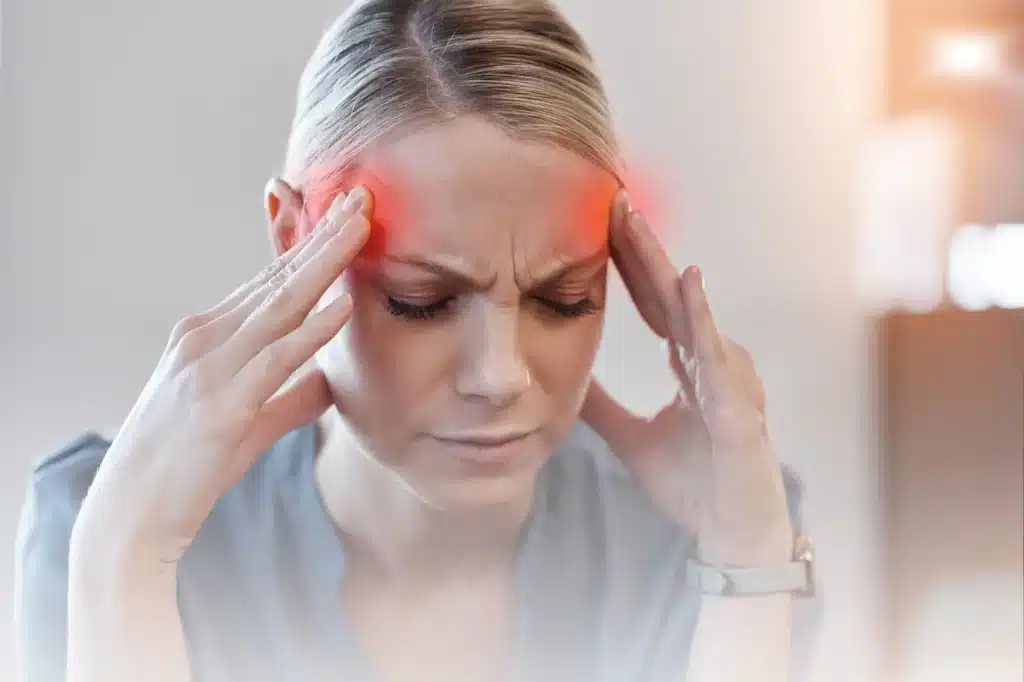
Migraine is much more than an ordinary headache; it is a neurological disorder characterized by throbbing pain, nausea, and sensitivity to light and sound that can bring daily life to a halt. Classic painkillers often prove insufficient, especially for chronic migraine patients who experience headaches on more than 15 days per month, with at least 8 days exhibiting migraine features. Migraine Botox is an FDA-approved preventive treatment method that reduces the frequency and severity of migraine attacks by injecting botulinum toxin into specific muscles and nerve endings in the head and neck area. In our Kadıköy clinic, migraine Botox is administered with approved products from Dysport and Allergan brands, offering an effective alternative for patients who do not respond adequately to medication therapy.
What Is Migraine Botox?
Migraine Botox is the use of botulinum toxin injections as a preventive treatment for chronic migraine. The U.S. Food and Drug Administration (FDA) approved Botox for chronic migraine treatment in 2010; this approval indicates that the procedure is recognized as a scientifically supported preventive treatment, not just a temporary relief. Migraine Botox does not stop an acute migraine attack immediately; its purpose is to reduce the frequency, duration, and severity of attacks to improve the patient's quality of life. Therefore, it is preferred especially for patients diagnosed with chronic migraine, who experience headaches on more than 15 days per month, with at least 8’ of those days showing migraine-specific symptoms (throbbing pain, nausea, and sensitivity to light and sound).How Does Migraine Botox Work?
One of the underlying mechanisms of migraine is the excessive release of neuropeptides such as CGRP (calcitonin gene-related peptide) from nerve endings transmitting pain signals. Botulinum toxin binds to nerve endings at the injection site and blocks the release of these neuropeptides. As nerve transmission decreases, pain signaling weakens, reducing the likelihood of triggering a migraine attack. Additionally, Botox relaxes tense muscles in the head and neck area, reducing muscle-derived pressure that can trigger migraines. This dual mechanism addresses both neural and muscular migraine triggers simultaneously.Where and to Which Points Is Migraine Botox Administered?
Migraine Botox is applied worldwide according to the accepted PREEMPT protocol to 7 different muscle groups in the head and neck area, across a total of 31 standard injection points. The first region is the glabellar complex between the eyebrows (corrugator and procerus muscles), overlapping with typical facial Botox points. The second region is the frontal or forehead area; injection points here are carefully chosen to prevent unwanted eyebrow elevation. The third region is temporal (temples). The fourth is occipital, the upper back of the neck. The fifth region is the cervical paraspinal muscles, lower neck muscles; injections here are administered as superficially as possible to avoid neck muscle weakness. Finally, the trapezius muscles at the shoulder-neck junction are treated. The dosage and injection points are personalized based on the patient's pain map and migraine trigger areas.Who Is Eligible for Migraine Botox?
Migraine Botox is primarily planned for patients diagnosed with chronic migraine who do not respond adequately to conventional medication treatments or who experience side effects from these drugs. Before starting treatment, neurological evaluation and confirmation of the chronic migraine diagnosis are necessary; thus, the migraine Botox process typically begins with headache diary keeping and a detailed medical assessment. It is contraindicated during pregnancy and breastfeeding, in individuals with known allergies to botulinum toxin, certain musculoskeletal diseases, and neuromuscular disorders. Being over 18 years old is a general requirement. Treatment suitability is always determined after a thorough medical evaluation.How Is the Migraine Botox Procedure Performed?
If necessary, a topical anesthetic cream may be applied to the treatment area before the procedure; since very fine needles are used, most patients do not feel significant pain. Botulinum toxin is injected in small doses into the predetermined 31 points. The entire procedure takes 15-20 minutes, and patients can immediately resume daily activities afterward. The frequency of sessions is determined based on the initial response. At our clinic, treatment repeats are generally planned at 12 week intervals; the duration of effect varies individually. Some patients observe noticeable improvement after the first session, while 2-3 sessions may be needed to assess full effectiveness.Difference Between Migraine Botox and Aesthetic Botox
Migraine Botox and aesthetic Botox both use the same substance, botulinum toxin; however, the purpose, dosage, and application protocol are entirely different. Aesthetic Botox is applied in low doses to specific mimic muscles to soften wrinkles. Migraine Botox, on the other hand, is applied over a much larger area according to the PREEMPT protocol, at a standard 31 number of points and at a higher total dose; its target is not wrinkles but the nerve endings and muscles transmitting pain signals. Therefore, migraine Botox is not considered a cosmetic procedure but a medically supported neurological treatment. However, since injection points in the glabellar and forehead areas may overlap with those used in aesthetic Botox, some patients may notice slight softening of frown lines; this is an additional benefit, not the primary goal of the treatment.What to Expect After Migraine Botox?
After the procedure, mild temporary redness or tenderness may occur at the injection sites; these symptoms typically resolve within a few hours. The effects of Botox usually start to become noticeable within 10-14 days, although this can be shorter for some patients. A reduction in migraine attack frequency is often observed within the first few weeks. Treatment cycles are usually planned at 12 week intervals. Many patients report progressively more significant and sustained decreases in attack frequency with regular repeated treatments. Migraine Botox can be used alongside medication therapies; the most appropriate approach for you will be decided after neurological evaluation and examination.Frequently Asked Questions
Are there any risks of migraine Botox?
When applied with approved products, in correct doses, and by an experienced physician, migraine Botox is considered a safe treatment. Temporary injection site sensitivity, mild redness, and rarely temporary weakness in the neck area may occur. Serious side effects are extremely rare. A detailed medical evaluation before starting the treatment minimizes risks.What are the side effects of migraine Botox?
The most common side effects are temporary sensitivity at injection sites, mild bruising, and a transient increase in headache; these usually resolve within a few days. Rarely, a temporary sensation of muscle weakness may be reported in the neck and shoulder areas following injections. Serious allergic reactions are extremely rare, but it is important to consult your doctor if any unusual symptoms occur.When does migraine Botox take effect?
The effect usually becomes noticeable within 10-14 days. The reduction in the frequency of migraine attacks starts to be felt within the first few weeks; however, the full efficacy of the treatment is generally better evaluated after 2-3 sessions. The response time can vary for each patient.How long does migraine Botox last, and how permanent is its effect?
The procedure itself takes 15-20 minutes. Treatment repetition is generally planned at intervals of 12 weeks. In regularly repeated treatments, many patients observe a gradually more significant and longer-lasting improvement in attack frequency over time.What should be considered before and after migraine Botox?
It is important to inform your physician if you are taking blood-thinning medications before the procedure. After the treatment, avoid applying pressure to the injection area and avoid remaining in a horizontal position for long periods during the first few hours. Intense exercise and sauna activities should be postponed for the first 24 hours. Continuing a headache diary is helpful for evaluating the treatment's effectiveness.What are the experiences of patients who have had migraine Botox?
The vast majority of patients who have undergone migraine Botox report a significant reduction in attack frequency; satisfaction rates are particularly high among those who did not respond sufficiently to medication treatment. The most commonly shared feedback is a decrease in the number of headache days per month and a noticeable improvement in quality of daily life. Since response time and level vary individually, a neurological evaluation before treatment is important for realistic expectations.What factors affect the price of migraine Botox?
The price of migraine Botox varies depending on factors such as the brand of product used, the total dosage administered, the number of treated areas, and clinical experience. Due to regulations by the Ministry of Health, we cannot provide a fixed price; we share accurate pricing tailored to you after examination, together with the treatment plan finalized according to your needs.
If you are curious about how Botox is used for different medical indications masseter Botox our page, also if you have complaints of excessive sweating sweating botox You can review our application.
Contact Us
We are here to provide you with the best possible service. Feel free to contact us for more information or to schedule an appointment.